
Sentinels of the Sea: Understanding Marine Mammal Health Through Strandings Data
~Open and free activity
~18:00h
~Miramar Palace, San Sebastián or online
Lecture by Rebecca Von Hellfeld. Research Fellow. University of Aberdeen.
"A talk about the work in the UK on monitoring marine mammal health through the strandings network".
Description
Marine mammals play a vital role in our oceans, for example by controlling fish populations, as well as being dependent on health oceans. Often described as “sentinels of the sea,” these animals reflect the combined effects of pollution, climate change, fishing activities, and other human pressures. This presentation explores how the study of stranded marine mammals in the United Kingdom (UK) helps us better understand what is happening beneath the surface of our seas.
The talk focuses on the work of two long-running UK monitoring programmes: the Cetacean Strandings Investigation Programme (CSIP) in England and Wales, and the Scottish Marine Animal Stranding Scheme (SMASS). These organisations respond to reports of stranded marine mammals, recording every event, and carrying out detailed examinations of some animals. This means that we have a decades-long archive of samples and insights, which allows us to look at how these animals lived, what affected their health, and, in many cases, why they died.
Strandings data also provide valuable clues about wider environmental issues. Changes in the number or type of species recorded, or the locations there are found in, can point to shifts in ocean conditions, the spread of disease, or increasing human impacts like entanglement, underwater noise, or chemical pollution. In some cases, stranded animals offer the first warning signs of emerging problems, including new diseases or the effects that warming seas have on marine life.
The presentation will share how information CSIP and SMASS have gathered from strandings has helped shape conservation measures, improve wildlife protection, and guide decision-making about how our seas are managed. By sharing the UK experience, this talk aims to show that stranded marine mammals are not just tragic sights on our shores, but important messengers. Listening to what they tell us is essential for protecting ocean health and building a more sustainable relationship with the sea.
Activity directed to
- All public
- University student
- Students not from university
- Teachers
- Professionals
Program
05-02-2026
“Aurkezlea / Presentador / Presenter“
Language: English
- Manu Soto López | Director of the Plentzia Marine Station (PiE-UPV/EHU) and Professor of Cell Biology
“Sentinels of the Sea: Understanding Marine Mammal Health Through Strandings Data“
Language: English
A talk about the work in the UK on monitoring marine mammal health through the strandings network
- Rebecca von Hellfeld | Research Fellow. University of Aberdeen. BSc in Environmental Science and Business Management
Speakers
Rebecca’s research focusses on the impacts of contaminants like mercury on the health of marine mammals. She grew up in Germany, before moving to London (UK) in 2011 to study Environmental Science and Business Management (BSc) at the Queen Mary University of London. Following her passion, she then spent two years on the Erasmus Mundus MSc Marine Environment and Resources at the University of the Basque Country. While here, she developed a fascination with ecotoxicology, understanding how the exposure to a contaminant can lead to small changes in the body, which in turn can have a great impact on health. She obtained her PhD from the Ruprecht Karl University of Heidelberg in 2021, where her thesis focussed on assessing developmental neurotoxicity in fish. She has since started working at the University of Aberdeen as a researcher, where her work sheds light on how the use of the marine environment can affect the health of marine mammals.
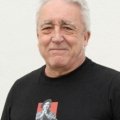
Manu Soto López
Director of the Plentzia Marine Station (PiE-UPV/EHU) and Professor of Cell Biology
Professor of Cell Biology (UPV/ EHU, 2011). Deputy Director Plentzia Marine Station (2012-). Researcher in the Consolidated Research Group Cell Biology in Environmental Toxicology. Pre and postdoctoral research studies in: U Wales (Aberystwyth, Cardiff), U Innsbruck, U Azores. He has supervised 9 PhDs (+ 3). Interests on the development and application of biomarkers of effect against exposure to metals in aquatic and terrestrial organisms (earthworms, molluscs, polychaetes, fishes), cellular localization and quantification of metal ions, transit of metals (aqueous forms, massive forms and nanoparticles), plastics, antibiotics, etc. Responsible of the stranced cetaceans network in Euskadi. >125 papers (>85% in Q1; H Index= 32), and >300 contributions at conferences. PI of research projects funded by the Spanish Ministry, UPV/EHU, Basque Government and contracts. Participant >20 years in European research projects. Evaluator for Agencies (Spanish, Portuguese, UK, Argentina). Founding Member of the Latin American Society of Environmental Contamination & Toxicology. Vicedean of FCT/ZTF (2007-2012), Coordinator of Master MER (2012-), Member of Committee: Ethics and Animal Welfare (2009-12).
Venue
Miramar Palace
Pº de Miraconcha nº 48. Donostia / San Sebastián
Gipuzkoa
Miramar Palace
Pº de Miraconcha nº 48. Donostia / San Sebastián
Gipuzkoa