
Industrialización y Economia Circular en Arquitectura
Cómo integrar la sostenibilidad en las decisiones de proyecto.
Description
Este Curso de Verano intensivo de día y medio tiene como finalidad dotar a las y los participantes de bases conceptuales y herramientas prácticas para orientar las estrategias hacia una edificación más eficiente y sostenible.
El curso parte de la relación entre los principios de la Economía Circular y los procesos de construcción industrializada, explorando cómo ambos pueden integrarse desde las primeras decisiones de proyecto. Se analizarán distintas tecnologías - sistemas planos, volumétricos, híbridos o ensamblajes tipo kit - para comprender su potencial en la optimización de recursos, la reducción de impactos y la circularidad.
El eje central reside en entender cómo las decisiones iniciales de diseño, los métodos de producción y las técnicas de montaje en obra influyen directamente en la sostenibilidad del edificio bajo una perspectiva del Análisis de Ciclo de Vida. En este sentido, se abordarán aspectos clave como la versatilidad, durabilidad y capacidad de reutilización de los sistemas industrializados.
De este modo, el curso proporcionará a los participantes criterios y estrategias para incorporar la circularidad en el proyecto arquitectónico, reduciendo el impacto ambiental de la edificación desde su concepción hasta su ciclo de vida.
Se trabajará mediante:
- Exposiciones conceptuales
- Análisis de sistemas y estrategias del proyecto
- Estudio aplicado de un edificio industrializado
- Discusión colectiva y síntesis final
Objectives
Identificar las principales estratégias de proyecto que incorporan la sostenibilidad y la circularidad desde una perspectiva holística.
Comprender los principios de circularidad aplicados a la industrialización.
Analizar tipologías y sistemas industrializados (2D, 3D, híbridos, kits, panelización, volumétricos).
Identificar cómo el diseño, la producción y el montaje influyen en los impactos ambientales.
Evaluar desmontabilidad, versatilidad y durabilidad de sistemas industrializados.
Activity directed to
- University student
- Teachers
- Professionals
Program
15-06-2026
Registration
Presentation by the Director of the activity
Language: Español
- Paula Martin Goñi | Universitat Politècnica de Catalunya - UPC - Profesora Lectora
- Oriol Paris Viviana | Universitat Politècnica de Catalunya - UPC - Profesor Lector
“La industrialización como oportunidad para la circularidad“
Language: Español
Eficiencia material, reducción de residuos y nuevos modelos constructivos
- Paula Martin Goñi | Universitat Politècnica de Catalunya - UPC - Profesora Lectora
“El Análisis del Ciclo de Vida como motor de la arquitectura sostenible“
Language: Español
Metodologías y herramientas para evaluar el impacto ambiental de los edificios
- Oriol Paris Viviana | Universitat Politècnica de Catalunya - UPC - Profesor Lector
Break
“De la línea al círculo: la construcción sin residuos“
Language: Español
Estrategias de diseño y producción para una construcción circular
- Oriol Paris Viviana | Universitat Politècnica de Catalunya - UPC - Profesor Lector
Participative dynamics: “Bases de la circularidad en la vivienda industrializada“
Language: Español
Principios de diseño, materiales y sistemas constructivos
- Paula Martin Goñi | Universitat Politècnica de Catalunya - UPC - Profesora Lectora
Break
Participative dynamics: “Análisis de la circularidad en un edificio industrializado“
Language: Español
Presentación de un caso de estudio y metodología de evaluación
- Paula Martin Goñi | Universitat Politècnica de Catalunya - UPC - Profesora Lectora
- Oriol Paris Viviana | Universitat Politècnica de Catalunya - UPC - Profesor Lector
16-06-2026
“Sistemas industrializados: desmontabilidad, durabilidad y utilidad“
Language: Español
Claves de diseño para prolongar la vida útil de los edificios
- Oriol Paris Viviana | Universitat Politècnica de Catalunya - UPC - Profesora Lectora
Participative dynamics: “Análisis de la circularidad en un edificio industrializado“
Language: Español
Taller práctico de evaluación y discusión de resultados
- Oriol Paris Viviana | Universitat Politècnica de Catalunya - UPC - Profesor Lector (Dinamizator)
- Paula Martin Goñi | Universitat Politècnica de Catalunya - UPC - Profesora Lectora (Dinamizator)
Break
Synthesis
Closing session
Language: Español
Lecciones aprendidas y retos para la construcción circular
- Oriol Paris Viviana | Universitat Politècnica de Catalunya - UPC - Profesor Lector
- Paula Martin Goñi | Universitat Politècnica de Catalunya - UPC - Profesora Lectora
Directors

Paula Martin Goñi
UPC
She is an architect and PhD, and a lecturer at the Barcelona School of Architecture (ETSAB) at the Universitat Politècnica de Catalunya, within the Department of Architectural Technology. Her teaching and research activities focus on architectural construction, sustainability and innovation in the building sector. Her work focuses on construction industrialisation, circular economy applied to the built environment and environmental assessment of buildings through methodologies such as Life Cycle Assessment. She particularly develops research and teaching related to the design and technology of façades and building envelopes, exploring their role in improving environmental and constructive performance. She has also developed professional activity related to the design, development and consultancy of façades and building envelopes, participating in building projects at national and international level. Within this course, she explores the potential of industrialisation and circularity strategies to advance more sustainable construction models.
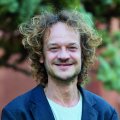
Oriol Paris Viviana
UPC
He is an architect and architectural technologist, and holds a PhD from the Universitat Politècnica de Catalunya (UPC). He currently develops teaching and research activities within the Department of Architectural Technology. His research focuses on construction industrialisation, façade and building envelope technologies, and environmental sustainability in buildings, with particular attention to façade systems and the integration of circular economy strategies in the construction sector. He has participated in several research projects and academic activities related to improving the environmental performance of the built environment and developing more efficient construction solutions. He combines academic work with professional practice and collaboration in architectural and technical consultancy projects.
Speakers
Paula Martin Goñi
UPC
She is an architect and PhD, and a lecturer at the Barcelona School of Architecture (ETSAB) at the Universitat Politècnica de Catalunya, within the Department of Architectural Technology. Her teaching and research activities focus on architectural construction, sustainability and innovation in the building sector. Her work focuses on construction industrialisation, circular economy applied to the built environment and environmental assessment of buildings through methodologies such as Life Cycle Assessment. She particularly develops research and teaching related to the design and technology of façades and building envelopes, exploring their role in improving environmental and constructive performance. She has also developed professional activity related to the design, development and consultancy of façades and building envelopes, participating in building projects at national and international level. Within this course, she explores the potential of industrialisation and circularity strategies to advance more sustainable construction models.
Oriol Paris Viviana
UPC
He is an architect and architectural technologist, and holds a PhD from the Universitat Politècnica de Catalunya (UPC). He currently develops teaching and research activities within the Department of Architectural Technology. His research focuses on construction industrialisation, façade and building envelope technologies, and environmental sustainability in buildings, with particular attention to façade systems and the integration of circular economy strategies in the construction sector. He has participated in several research projects and academic activities related to improving the environmental performance of the built environment and developing more efficient construction solutions. He combines academic work with professional practice and collaboration in architectural and technical consultancy projects.
Registration fees
| Face-to-face | Until 15-06-2026 |
|---|---|
| 87,00 EUR | |
| 74,00 EUR | |
| 61,00 EUR | |
| 74,00 EUR | |
| 25,00 EUR |
Venue
School of Architecture
Plaza Oñati, 2 | 20018 Donostia/San Sebastián
Gipuzkoa
School of Architecture
Plaza Oñati, 2 | 20018 Donostia/San Sebastián
Gipuzkoa
Sustainable development goals
Agenda 2030 is the new international development agenda approved in September 2015 by the United Nations. This agenda aims to be an instrument to favour sustainable human development all over the planet, and its main pillars are the eradication of poverty, a reduction in equality and vulnerability and fostering sustainability. It is a unique opportunity to transform the world up to 2030 and guarantee human rights for all.
9 - Industry, innovation and infrastructure
Build resilient infrastructures, promote inclusive and sustainable industrialisation and foster innovation. Key issues: reliable, sustainable, resilient and quality infrastructures, inclusive and sustainable industrialisation, modernisation, clean and environmentally rational industrial technologies and processes, scientific research and improvement of technological capabilities, universal access to ICTs.
More information
11 - Sustainable cities and communities
Make cities and other human settlements inclusive, safe, resilient and sustainable. Key issues: access to suitable housing and basic services that are secure and affordable, suitable and sustainable transport systems, inclusive urban planning, participative planning and management, protection of cultural and natural heritage, air-quality, green zones, and connections between urban, peri-urban and rural areas.
More information
13 - Climate action
Adopt urgent measures to combat climate change and its effects. Key issues: mitigation, resilience and capacity for adaptation, planning, national strategies and plans, education and raising awareness, reduction of effects and early warning systems, compliance with the Framework Convention of the United Nations on Climate Change.
More information
Other events of your interest

-

Streaming
-

Face-to-face

-
Face-to-face

-
Face-to-face
-
Streaming
-
Face-to-face